
Arlington-Aachen 5th Grade Exchange Program
Experience Global Friendship
The Family Exchange offers a unique opportunity for fifth-grade students in Arlington, VA, to build lifelong international friendships with peers from our sister city of Aachen, Germany. Organized by the Arlington Sister City Association (ASCA), this program fosters cultural understanding and educational growth through direct family-to-family connections. By participating in this meaningful exchange, students and their parents move beyond tourism to experience the authentic daily life and rich heritage of another culture.
2026-2027 Exchange Information
Key Dates
Program Application Window: May 15 – June 14
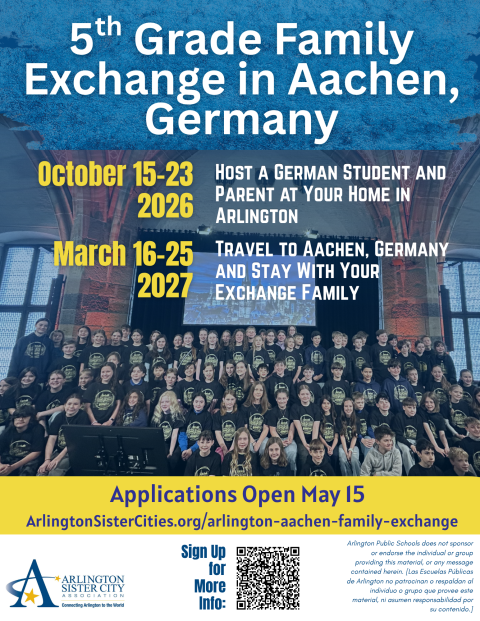
German Families in Arlington: October 15-23, 2026
American Families in Aachen: March 17-25, 2027
(American families travel on March 16 & 25)
Program Cost
$50 ASCA Membership Fee
$200 Program Fee
$250 Activity Fee
Travel expenses determined by individual families (read more in the FAQ)
Eligibility
Students must be a rising 5th grader who resides in Arlington, VA. Students may go to public or private schools.
Questions?
Email us:
aachenfamilyexchange@arlingtonsistercitites.org
Emily Lyons
elyons@arlingtonsistercities.org
President of the Aachen Committee
Information Night
May 4, 2026
Applications Open
May 15, 2026
Applications Close
June 14, 2026

Take Part in Citizenship Diplomacy
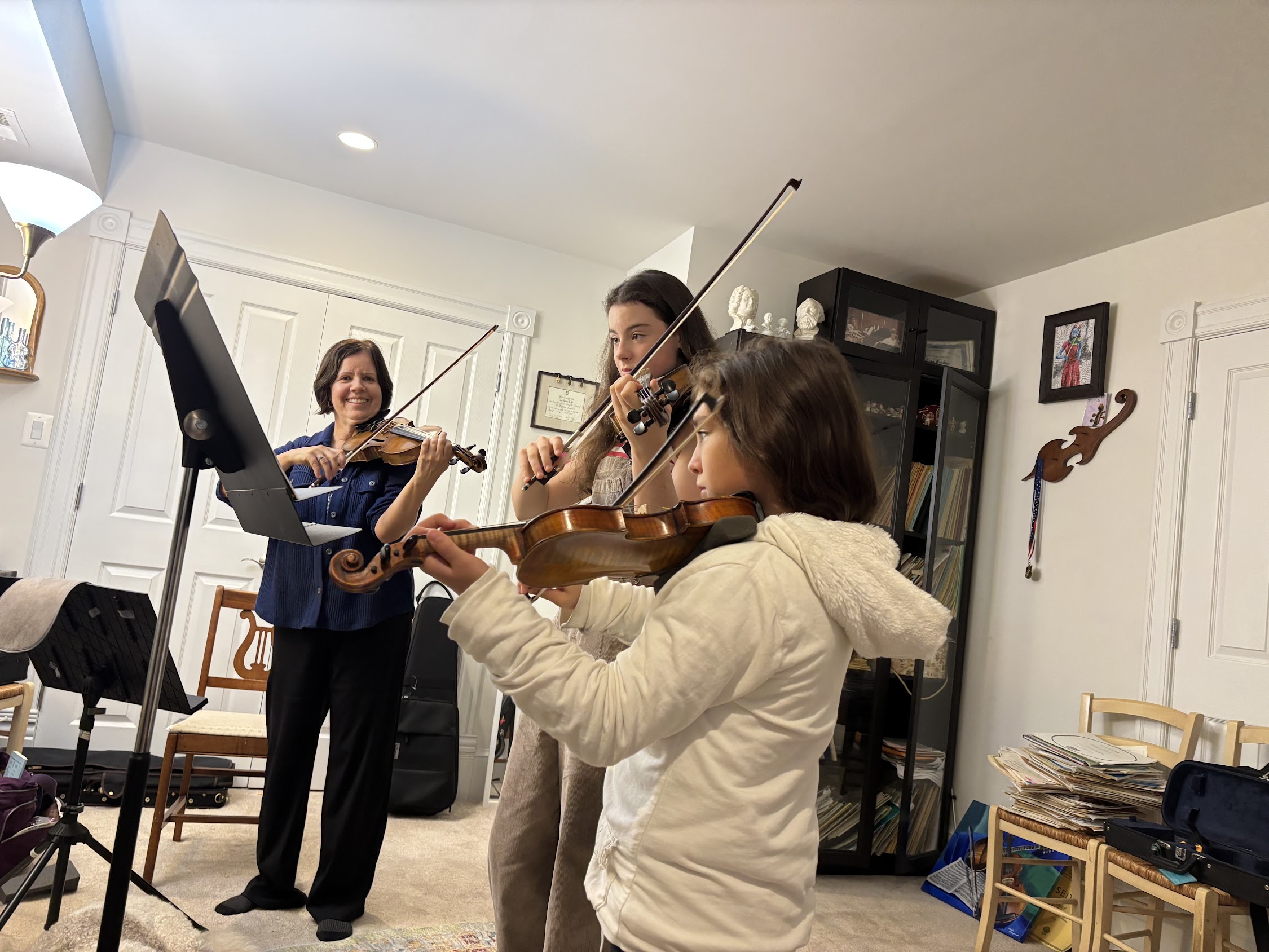
The exchange process begins by pairing each Arlington student with a matching partner family in Aachen based on detailed questionnaires to ensure compatible interests. To facilitate a smooth transition, students are typically matched with partners of the same gender unless otherwise requested. Once paired, families begin building a relationship through email, video calls, and messaging apps well before the physical travel occurs. This program is a two-phase commitment: German families visit Arlington in the fall, while American families travel to Aachen during spring break.
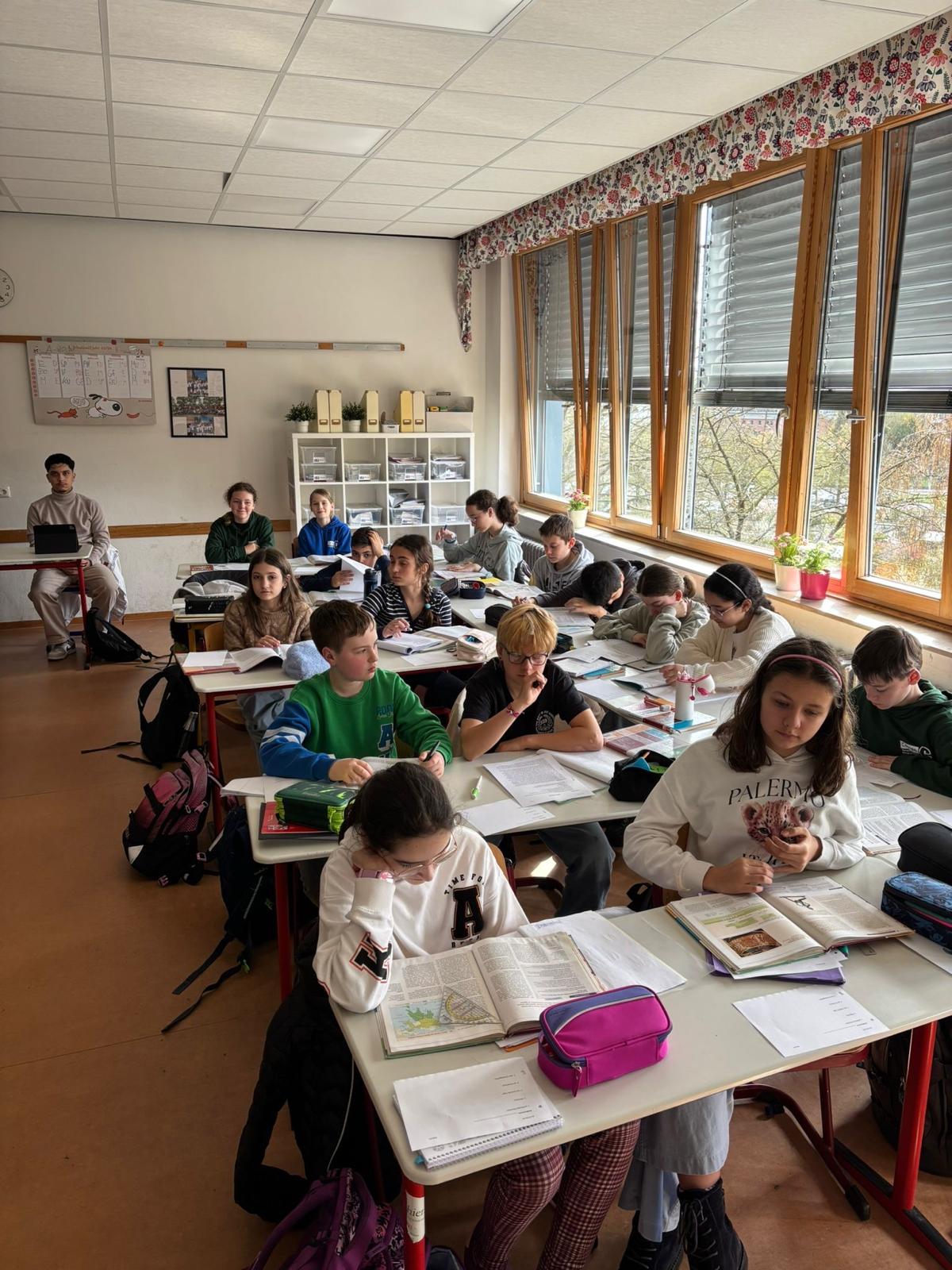
Each participating student must be accompanied by a parent or legal guardian throughout the journey, ensuring a safe and shared family experience. While in Arlington, German students spend a day experiencing a local school, and American students do the same when visiting Aachen. While there is a curated itinerary of group activities, the only mandatory events are the official welcome breakfast, the farewell dinner, and the designated school visit day. This flexibility allows families to customize their experience and explore the cosmopolitan “Three-Country Point” where Germany, Belgium, and the Netherlands meet.
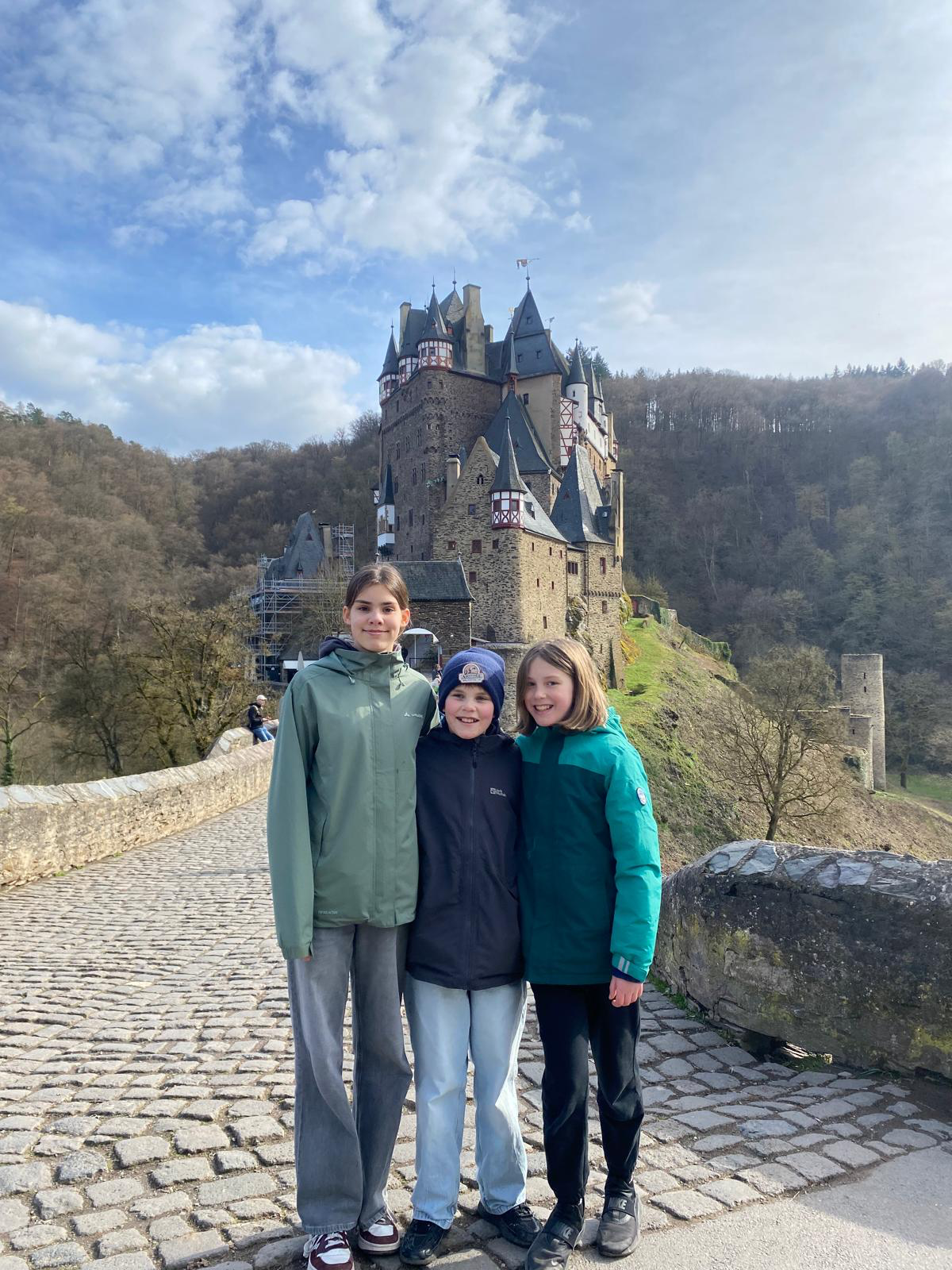
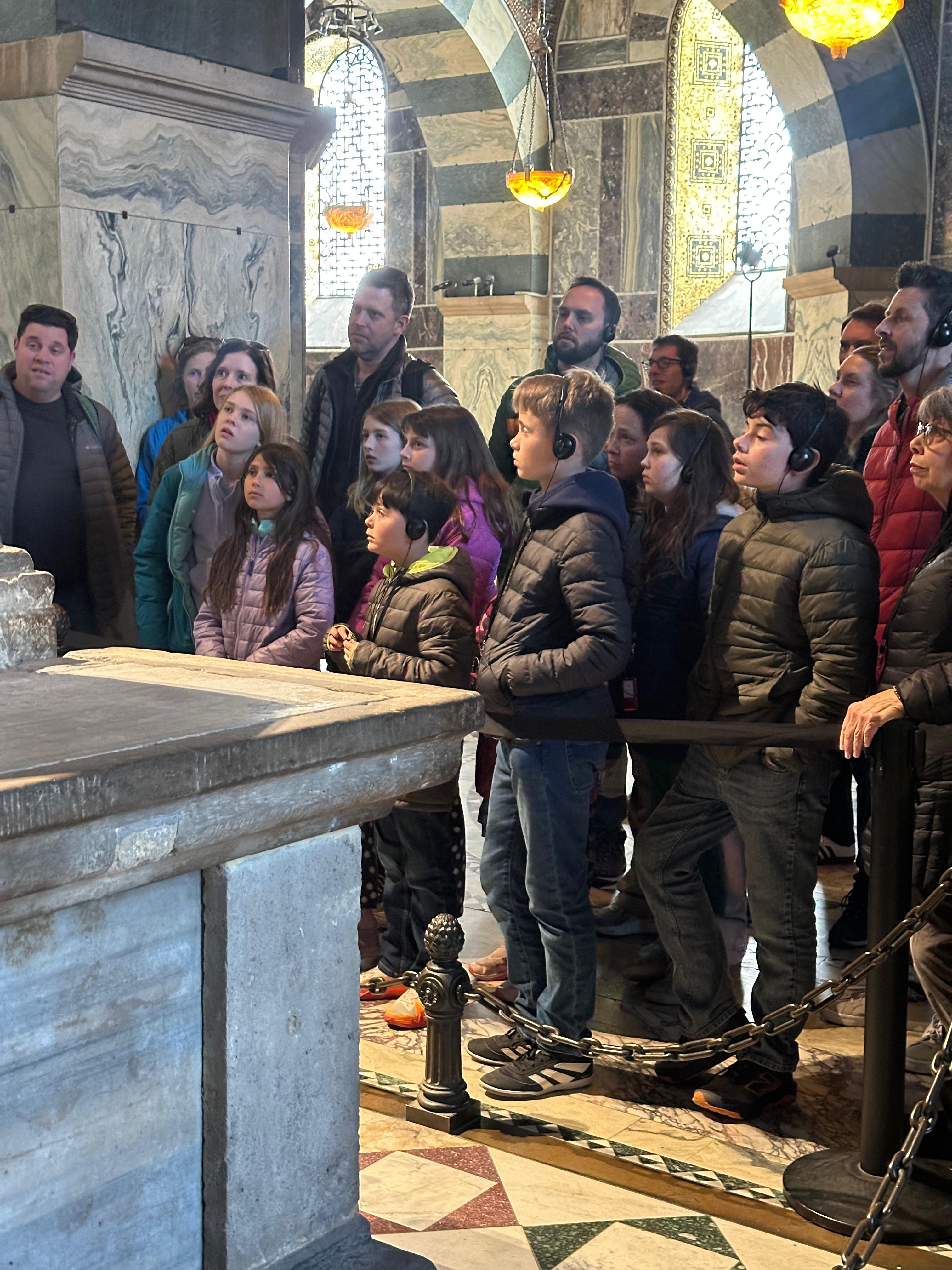
Located in the extreme northwest of Germany, Aachen is a city steeped in history, famously serving as the site of Charlemagne’s coronation in 800 A.D. During the trip, families often explore the historic Aachen Cathedral, visit the nearby Eifel Mountains, or even take a short train ride to Paris or Cologne. Highlights from past exchanges include visiting the famous chocolate factory in Cologne and exploring the charming streets of Maastricht in the Netherlands. Ultimately, the program provides a perfect balance of structured cultural education and independent family adventure.


Frequently Asked Questions
The Aachen families are currently expected to arrive here in Arlington in the late afternoon of Thursday, October 15, 2026, and depart on Friday, October 23, 2026. The Americans will depart for Aachen on or about the evening of Tuesday, March 16, 2027; the exchange officially begins with the welcome dinner on Wednesday, March 17, 2027, and school visit on Thursday, March 18, 2027, and ends with the farewell dinner on the evening of Wednesday, March 24, 2026, and departure on the morning of Thursday, March 25, 2027.
To be eligible to participate in the program, the student must be a rising fifth grader and families must agree to abide by program requirements and policies, including obtaining a family membership in the Arlington Sister City Association. Participation also is conditioned on successful completion of a basic volunteer screening for each adult in the Arlington host family household. A link to complete the volunteer screening through a third-party service will be sent after a family’s application is accepted.
It is our hope to have a place for all families in Arlington who want to participate in the program. However, if there are a substantial number of applications, priority will be given to the families who have volunteered to serve as coordinators and may be given to families/individuals who have been engaged in activities on behalf of the program and to families/individuals who are alumni of the program (usually with an older sibling who went on the exchange) and can provide special assistance with program activities based on their past experience.
In the event that we have more applicants than can be accommodated in the exchange, we will, after application of the above priorities, consider applications on a first-come, first-served basis to determine participants.
Applicants will be informed periodically about the process status and what steps are being taken to ensure that we can accommodate as many families as possible.
The express goal of the exchange is to foster one-on-one relationships between American and German families.
Therefore, we ask that participants not treat this merely as a “bed and breakfast” swap.
You definitely don’t need to be an extrovert or have previous experience with foreign exchange programs. However, you and your child do need to make a commitment to take the time to get to know your guests, include them in your daily life, and make them part of your family for the week they are here. They will do the same for you.
Planning and organizing the events of the exchange week in the months before the German guests arrive also require a substantial time commitment from all participants. You will be making plans with your guests via email, coordinating schedules with other families, and continuing to accommodate the other activities you take part in that week.
To register for the program, fill out the application on this page.
Applications will be accepted beginning May 15, at 9:00 AM, through June 13, at 11:59 PM.
Space is limited to 50 families, or less than 50 families if fewer Aachen students apply to the program. As described in further detail below, earlier applications will receive priority if there are more applications than spaces available. There will be a waiting list if we have more applicant families than spaces.
Once your application is submitted, a response receipt will be sent to you by email confirming that we have your application. If you have not received an email response within two weeks of the application’s closing date, please email us at aachenfamilyexchange@arlingtonsistercities.org.
The costs for the exchange include travel expenses (variable), ASCA family membership dues ($50), program fees payable to ASCA ($200) (which includes background checks, ASCA insurance, and ASCA administrative fees), a mandatory contribution to an exchange general fund for certain expenses while the Aachen students are in Arlington (estimated to be $250 per child participating in the exchange), and costs of entertaining your German guests (estimated to be between $250 and $750).
The American families traditionally pay all expenses relating to meals, transportation, and entertainment for their partner families while they are here. The Germans do the same for us during the week the Americans stay in their homes. This method protects us from exchange rate fluctuations and simplifies logistics.
Some expenses are covered by the general fund. This is a “pot” to which each family contributes approximately $250 per child participating in the exchange program (depending on how many families we have) at the beginning of our planning for the fall exchange. The money is handled by the ASCA Treasurer. We do this so that everyone is spared having to write lots of small checks.
This fund covers most expenses (except for food) for two events involving the whole group. We have a potluck welcome breakfast on the Saturday morning after the German families arrive, to which everyone contributes food or drink. We use the fund to rent the space for the welcome breakfast and for paper products, decorations, coffee, and other necessary items. We also put together small gift bags with school T-shirts and other items to include in the welcome for our guests.
Second, on the last evening before the exchange ends, we have a farewell party (some years we have also done a potluck dinner). Again, we rent a site and also pay for decorations, drinks, and other expenses such as cleanup. The fund also covers expenses (including buses, translator, and food) for an introductory bus tour of the area for the Aachen visitors on the first full day of their visit.
Any other expenses that affect the whole group equally such as tickets to events attended by all, also may be covered by the general fund.
In addition, over 80% of a recent year’s participants spent $250 to $750 on such things as metro tickets, meals out, tours, and other activities such as laser tag. These costs will vary, depending on whether you eat mostly at home or away from home and what activities you choose. The emphasis should, however, be on the enjoyment of the families being together, not on pulling out all the stops. Every year the most popular and fondly remembered activity of all has been the small get-togethers of two or three American families and their German partners for casual home dinners.
Once you and your child are in Germany, the situation is reversed. Your German hosts will cover food, transportation (other than your airfare), and entertainment costs for you and your child during the week of your stay. If you stay on in Europe after the farewell dinner, of course, you will be responsible for your own expenses from then on.
Since we stay in the homes of our host families in Germany, there are no hotel or entertainment costs, and few if any meal costs. Thus, the main expense of the overseas half of the exchange will be the cost of round-trip air travel to Brussels for you and your child. The cost in 2026 will depend to some degree on fuel prices, but booking flights early will help you keep ticket prices as low as possible. There is also a program fee of $200 payable to ASCA, which includes fees for insurance we are required to have by the county and school system, administrative expenses, plus basic volunteer background screenings for all of the adults in the household (including all parents, guardians, step-parents, grandparents, and/or caregivers who will be in the home during the exchange). For each additional child participating in the exchange (for example, if a family has twins participating), the program fee will increase by $160.
In addition, as explained below, Arlington participants must pay $250 (for each child participating in the exchange; for example, if a family has twins participating in the exchange they must pay $500) to a general fund that will be used to pay for certain expenses when the German families are in Arlington.
Because the exchange takes place through the Arlington Sister City Association, each family will be required to be a member of ASCA, a 501(c)(3) nonprofit organization, for the exchange year. The annual fee for a family membership is $50, which is tax deductible to the extent allowed by law. The Membership Fee and Program Fee must be paid within 10 days of acceptance of a family’s application for the exchange in order for the family to be matched with a family in Aachen.
Families are responsible for obtaining their own individual travel and medical insurance.
Many Arlington families choose to fly over together, and a free bus (paid for by the Aachen hosts) meets that group at the airport, but it is really up to you, as long as families are in Aachen for the start of the program. Some families go a day or two early to spend time with friends, then either continue on to Aachen on their own or meet the group at the airport when we land. Fewer people choose to fly back together, since many people want to stay on for a few more days to visit Paris or other European locales. However, some families do return as a group on the day after the farewell dinner.
During the months leading up to the exchange, our group creates a flexible schedule of activities for every day of that week. This can include tours of the Capitol, bicycle trips, hikes, visits to museums and historic sites such as Arlington Cemetery, movies at the Smithsonian, games at Ultrazone, hayrides, sports events, and more. A different family takes charge of each activity in terms of scheduling, tickets, etc., so that the workload is distributed fairly, and the group as a whole can sign up for whichever activities their guests prefer. Having the schedule gives our guests a choice of things to do and gives the American families a break from planning. Again, the only required activities are the welcome breakfast, the farewell dinner, and the day of the school visit. You and your guests can choose to participate in as many or few activities as you like.
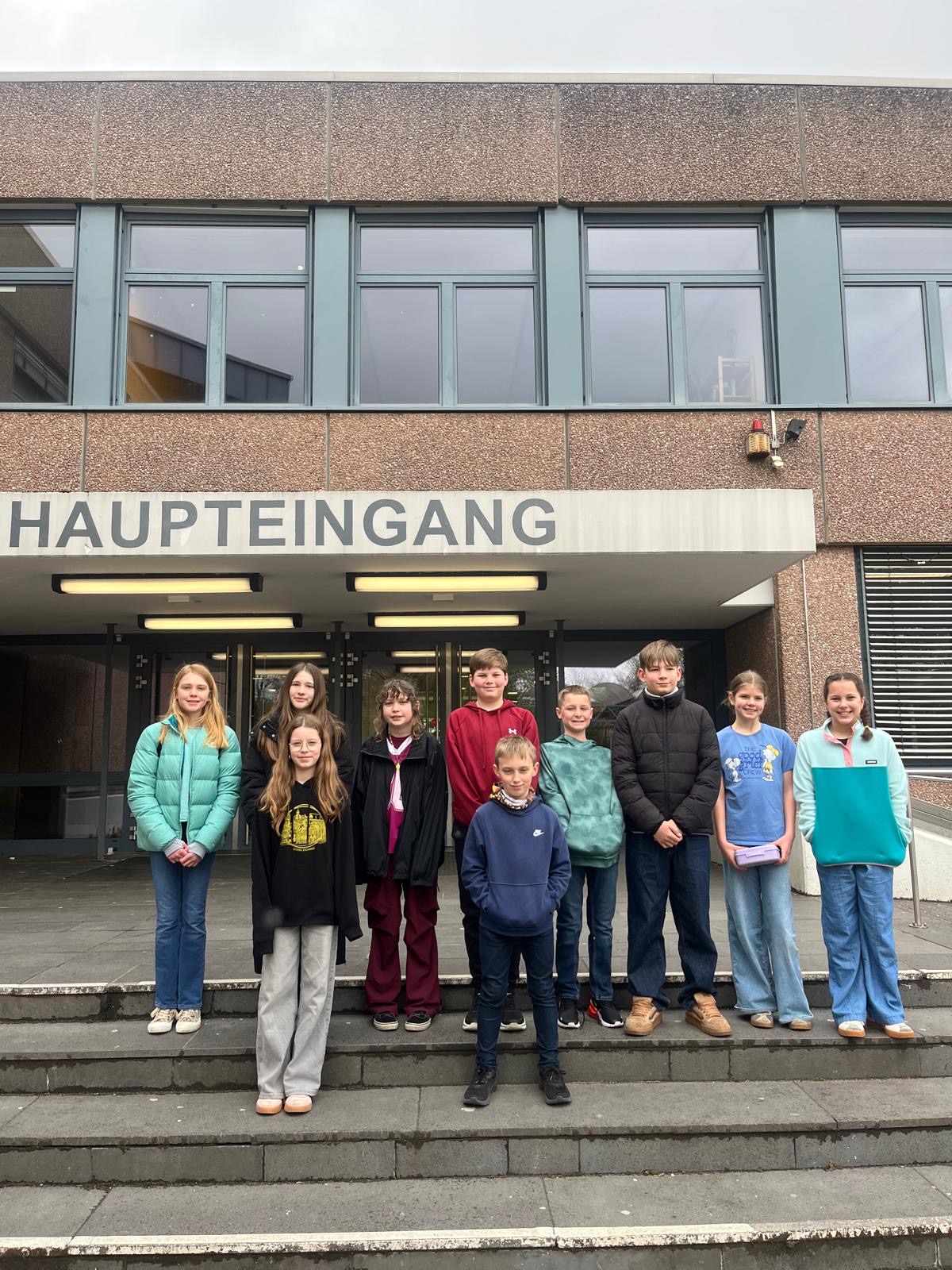
No. On one day (or a portion of one day) during the exchange week, the German guest children have gone to school with their Arlington student partners, per arrangements made with the schools. Each school also may have amorning reception and school tour for the German parents/guardians that day. The rest of the week, the German children will be doing things outside of school. The same goes for the American children when they are in Aachen – they will spend a day in school with their German partners. The rest of the time they will be with their parents/guardians and/or members of their German family outside of school.
Yes, although the introductory bus tour of Arlington and Washington, DC is for the Aachen visitors only. Please make sure your child’s teacher is aware of the day/days of absence.
We heard from the German families that being able to participate in normal American family life – soccer practices, church events, etc. – was one of the things they liked best about the exchange. Your daily life may seem mundane to you, but it isn’t to them. Children especially enjoy seeing how everyday life is lived in another country. Indeed, it is essential to make the effort to include them.
Most families with two working parents/guardians do have one adult take off at least some time from work. It may take some advance planning, however. Many families team up to cover the needs of their guests and coordinate specific days when one family or the other will look after the guests of both families. The coordinator is also available in case of emergency.
The German adults all speak at least some English, some very well, while the German children have all had one year of English in school. When possible, we have also offered a series of basic, reasonably priced German lessons for both parents and kids, which are given weekly for several weeks before participants go to Aachen.
The exchange is intended to be for one parent/guardian and one child. Sometimes whole families do go on the invitation of their partners, especially if they are participating for the second time with the same family. However, you may not pressure your German family to do this. Remember that they will be paying for all expenses for your family, and that it may be very difficult for them to ferry extra people around if they have only one car, as many Europeans do. The same is true for us – you may invite your whole partner family if you have room and truly wish to, but they may not pressure you to do so. Talk to the coordinator if you have any questions about this.
Most Europeans live in smaller homes than we do, and it is not uncommon for an Aachen family to live in an apartment.
Single parents/guardians have participated every year since the program began. They may be matched either with a single or a two-parent family.
We have had many participants with twins over the past few years. Usually, we give the family the choice between having two German partner families (one for each twin) or a single partner family to be shared by both twins. Both scenarios have worked well. With the first option, you might need more room in your house to have four house guests in the fall; in the spring, both American parents/guardians would go to Germany, each staying with one of the two partner families. With the second option, only one parent/guardian would go to Germany with their twins, and they would stay with one partner family. Families of twins are responsible for payment of program fees and payment to the general fund for each participating child.
Both shy and outgoing children take part in the exchange every year. Your child does not have to be a “social butterfly” or have previous experience with foreigners to enjoy participating. However, your student will be expected to go on the full-day visit to the German school without a parent/guardian present.
2025-2026


